The Difference Between Excavation and Grading
Excavation and grading are often mentioned together in site work, but they serve different purposes and require different techniques. If you’re preparing rural land for construction, roadwork, utilities, or landscaping, it’s important to understand what each term means and how they fit into your project.
What Is Excavation?
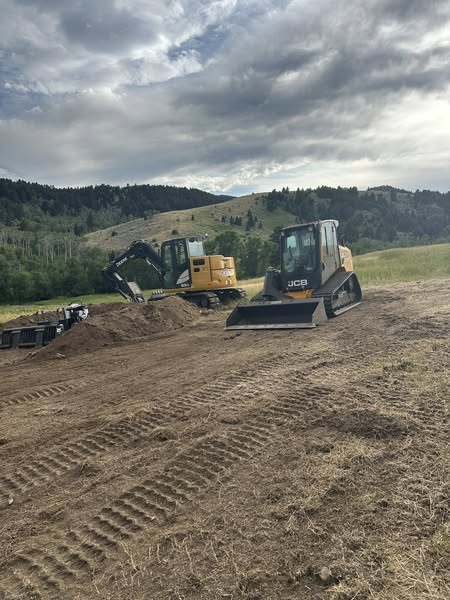
Excavation refers to the process of digging, removing, or displacing soil and rock to shape the land or create space for a specific purpose. This might include:
- Digging foundations or basements
- Cutting into slopes to level ground
- Trenching for water, electric, or sewer lines
- Removing rocks, stumps, or other buried debris
What Is Grading?
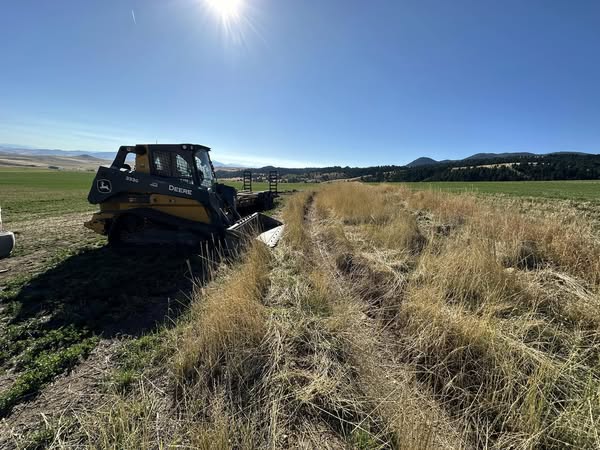
Grading comes after excavation and is the process of shaping and smoothing the land to meet specific elevation or slope requirements. The goal is to ensure the site is level, stable, and ready for the next phase of construction or planting.
Why the Distinction Matters
While excavation and grading are often done by the same contractor, they are different phases of work. Excavation focuses on removing or moving earth. Grading focuses on fine-tuning the surface for function and durability.
When You Might Need One or Both
If your site is excavated but not graded properly, water can pool near buildings, erosion can damage slopes, and surfaces may settle unevenly over time. Poor grading is one of the leading causes of drainage and foundation problems on rural properties.
How to Plan Ahead
A good site plan will specify both excavation and grading requirements. Work with your contractor to understand:
- How deep or wide the excavation needs to be
- Where the excess material will go
- What slopes or contours are required
- How grading will prevent drainage problems later on
In rural Montana, each site presents unique challenges, from hardpan soil to seasonal flooding. Understanding the difference between excavation and grading helps you set realistic expectations and ensures your project is built to last.