How to Tell if Your Land Needs Regrading
Grading is the process of shaping land to create a stable, level surface or control water flow. In rural areas like Montana, many properties need regrading at some point to fix drainage issues, improve access, or prepare for new construction. But how do you know if your land needs it? Here are the signs and what to do about them.
Common Signs Your Land Needs Regrading
- Water Pools After Rain: Persistent puddles or soggy areas are a clear indicator of poor drainage. These spots can drown plants, create mud pits, and breed mosquitoes.
- Soil Erosion: If rain regularly washes away topsoil, especially on slopes or near structures, it may be time to regrade and install erosion controls.
- Basement or Foundation Moisture: Water that collects near your home or outbuildings may indicate that the ground isn’t sloped away properly.
- Uneven Ground: Dips, mounds, or ruts can cause trip hazards and complicate mowing, driving, or building.
- Driveway Rutting or Washout: Water flowing across driveways can carve out ruts and carry gravel away, which often points to poor grading around the area.
When to Consider Regrading
- Before Construction: Regrading ensures your building pad is level, stable, and drains well
- For Road or Trail Access: Smooth, well-drained surfaces are easier to travel and maintain
- To Solve Drainage Problems: Regrading redirects surface water away from critical areas like homes, barns, and paddocks
- To Improve Pasture or Yard Use: Eliminating low or wet spots helps grass grow better and reduces livestock hazards
How Regrading Works
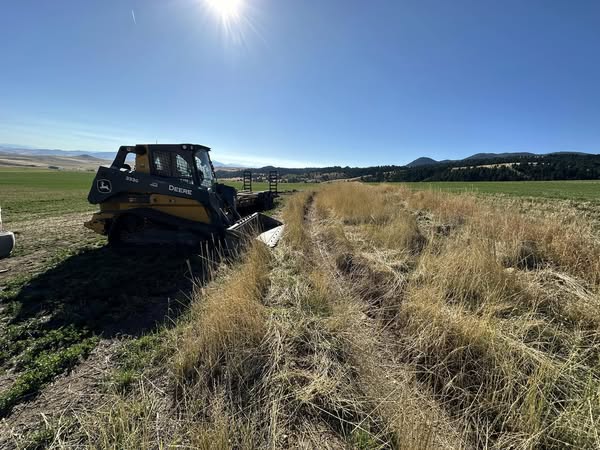
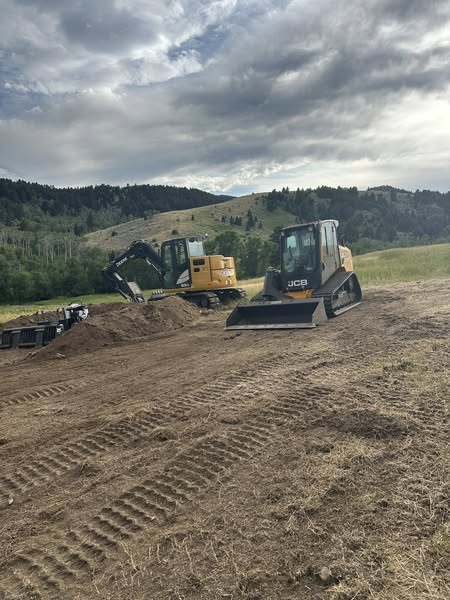
The process starts with a site assessment and a plan for proper slope. Equipment like skid steers, dozers, or excavators is used to cut high areas and fill low ones. In some cases, imported fill or topsoil is brought in to achieve the right contour. For drainage-specific grading, swales or berms may be added to guide water where you want it to go.
Montana Grading Considerations
- Freezing and thawing cycles can worsen grading problems over time
- Clay-heavy soils retain water and may require special handling or drainage fabrics
- Local permitting might be needed if grading near creeks, wetlands, or property lines
Maintaining Good Grading
- Check graded areas each spring for signs of erosion or settling
- Add gravel or soil as needed to maintain proper slope
- Keep ditches and swales clear of debris to ensure proper flow
Conclusion
Proper grading is critical to keeping your land dry, usable, and ready for future improvements. If youre noticing puddles, uneven ground, or water near your foundation, it may be time to regrade. A well-sloped site protects your property and saves time and money in the long run.