Clearing Brush and Trees Before Excavation: What to Know
Before any excavation project can begin, the site needs to be cleared of vegetation. Whether you’re putting in a driveway, a building pad, or a utility trench, removing trees, brush, and stumps is the first step. Done correctly, this process sets the stage for smoother excavation, better grading, and fewer future problems. Here’s what you need to know about clearing land in Montana before digging begins.
Why Clearing Is Essential
- Protects Equipment: Roots, stumps, and hidden debris can damage excavators and blades
- Improves Visibility: A clear site allows for accurate grading and safer operation
- Prevents Regrowth: Proper removal of roots and stumps helps avoid vegetation creeping back in
- Reduces Fire Risk: Dead brush and trees can become fuel during dry seasons
What Gets Cleared
- Brush: Low shrubs and woody plants are usually mowed or mulched with a brush cutter or forestry mulcher
- Trees: Small trees may be pushed over, while large ones are cut down and removed in sections
- Stumps: These are pulled, ground down, or dug out, depending on size and location
- Debris: Includes fallen logs, trash, rocks, or anything else in the way of excavation
Common Clearing Equipment
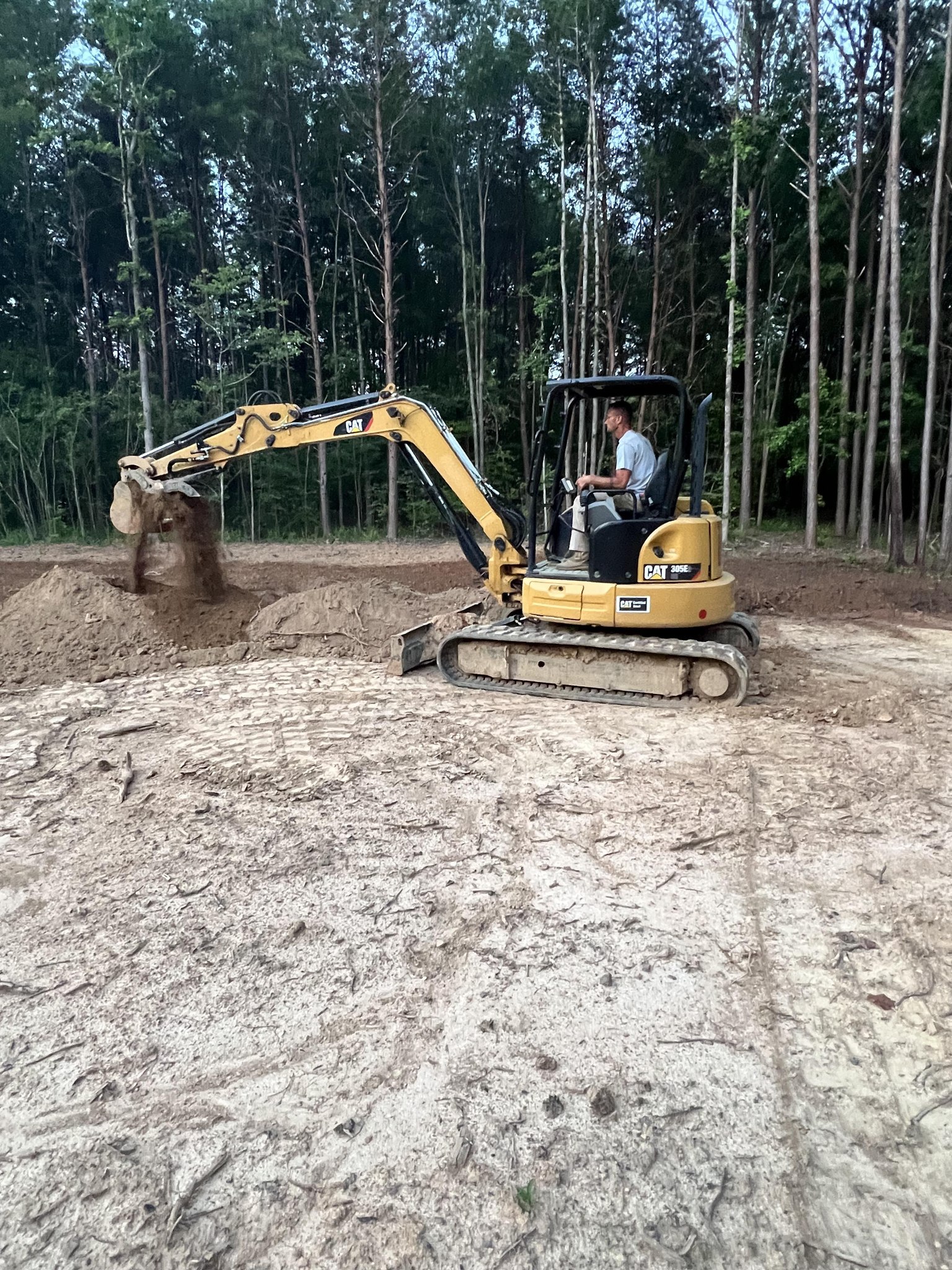
- Excavators with thumbs or root rakes
- Skid steers with mulchers or grapples
- Chainsaws for manual felling
- Brush hogs or forestry mulchers for dense undergrowth
What to Do with the Debris
Disposing of organic material varies depending on your goals:
- Burn piles: Effective in dry seasons with proper permits and fire control
- Chipping: Great for reusing as mulch on trails or around buildings
- Haul-away: For sites near roads, hauling debris off-site may be the cleanest option
- Burying: Only advisable in certain areas, and not for stumps or large root balls
Tips for Montana Properties
- Plan ahead for wildfire safety, clear 30 feet or more around build sites
- Watch for protected species or habitat zones when removing large trees
- Be prepared for rocky soil under brush, which can complicate clearing
Timing Matters
Clearing is easier in late fall or early spring when the ground is firm and vegetation is dormant. Snow melt can delay work in some areas, while summer growth can slow progress and increase fire risk.
Conclusion
Proper site clearing is the foundation of any good excavation project. It saves time, protects equipment, and ensures the land is truly ready for grading or digging. A knowledgeable excavation team will help you remove vegetation safely and efficiently so you can move on to the next phase of your project with confidence.