Montana Septic System Basics: What You Need to Know Before You Build
If you’re building on rural land in Montana, chances are youll need a private septic system. These systems handle all wastewater from your home or building when no public sewer hookup is available. While common, septic systems require planning, permits, and proper installation. Here’s what every property owner should know before they start building.
What Is a Septic System?
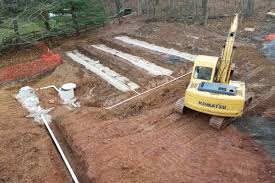
A septic system is an underground wastewater treatment setup. It typically includes a septic tank and a drain field (also called a leach field). Wastewater from toilets, sinks, showers, and appliances flows into the tank, where solids settle and bacteria help break them down. The liquid effluent then drains into the soil through the leach field, where it is naturally filtered.
Do You Need a Permit?
Yes. In Montana, septic systems must be approved by your local environmental or health department. Youll need a site evaluation, soil analysis, and system design before installation. Do not skip this step. Installing a system without a permit can result in fines and major problems laterespecially if you plan to sell the property.
Types of Septic Systems
The most common type is a conventional gravity system, which relies on gravity to move liquid from the tank to the drain field. However, depending on your soil and terrain, you may need an alternative system:
- Pressure Distribution: Uses a pump to evenly distribute effluent across the drain field. Often used on sloped or uneven terrain.
- Mound System: Built-up drain field for shallow or poorly draining soils. Requires more space and careful design.
- Sand Filter or Advanced Treatment: Used when soil conditions are poor or close to groundwater. More expensive but environmentally effective.
Soil and Site Evaluation
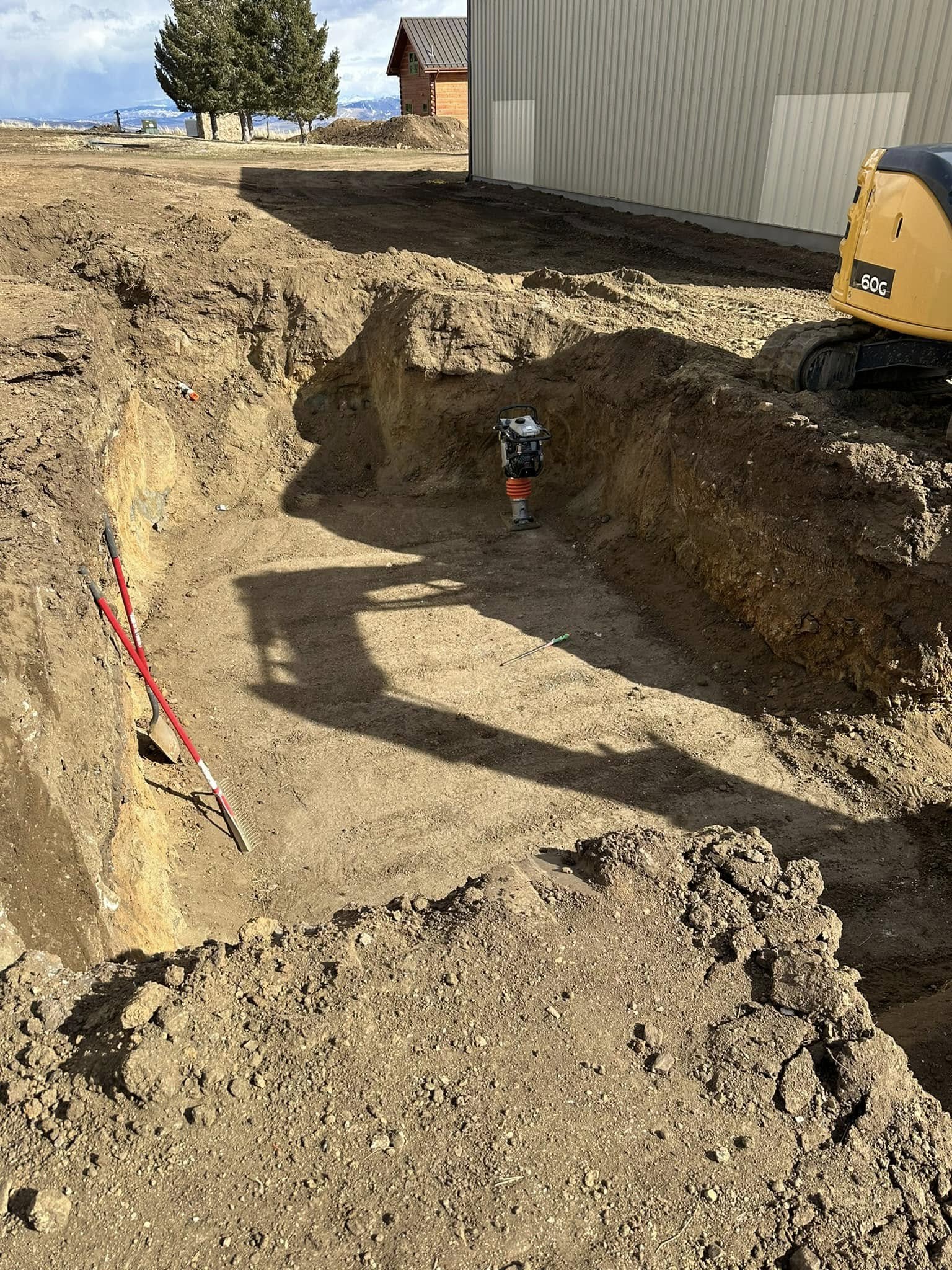
Your propertys soil and slope determine whether a septic system is viable and what type youll need. A licensed site evaluator will dig test pits to assess soil depth, drainage rate, and distance from groundwater or bedrock. In rocky areas like those around Helena or higher elevations, alternative systems may be required.
Distance Requirements
Montana has setback rules to protect water sources and structures. These typically include:
- 50-100 feet from wells or surface water
- 10 feet from property lines or foundations
- 100+ feet from floodplains in some counties
Always check your county’s regulations before choosing a system location.
Installation and Maintenance
Septic system installation must be done by a licensed contractor. After installation, regular maintenance is key. The tank should be pumped every 3-5 years depending on usage. Avoid planting trees near the system, and never drive over the tank or drain field.
Conclusion
Montanas wide-open land often comes with the need for a private septic system. With proper planning and professional installation, your system will serve your home reliably for decades. Start early, follow local rules, and make sure your system matches your lands unique characteristics.