What to Know About Septic System Excavation in Montana
Installing a septic system is one of the most important infrastructure steps for rural living in Montana. Whether youre building a new home or upgrading an old system, excavation plays a key role in how well your septic setup performs. Here’s what you need to know about septic system excavation to ensure a smooth, long-lasting installation.
Start with a Site Evaluation
Before digging begins, your site must be evaluated by a licensed professional. This includes:
- Percolation test (perc test): Determines how quickly water drains through the soil
- Soil profile: Assesses soil type, depth to bedrock or groundwater, and slope
- Septic design: Based on the size of the home and site conditions
Montana counties require permits and inspections, so plan ahead and work with a qualified installer familiar with local rules.
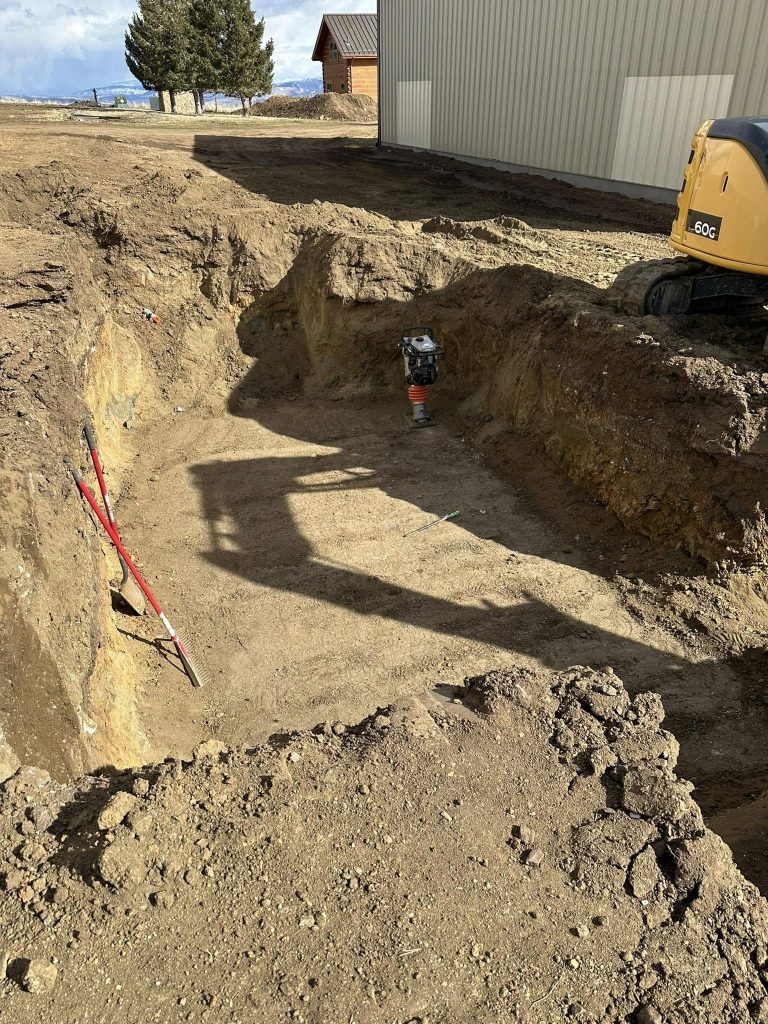
Excavating the Tank and Drain Field
Septic systems include two main components: a tank and a drain field (also called a leach field). Excavation must be precise and carefully coordinated.
Tank Excavation
- Location: Must be accessible for pumping, but away from wells and buildings
- Depth: Tanks are usually buried 3 to 5 feet deep, depending on frost depth and design
- Level base: A compacted, level pad of sand or gravel prevents tank settling or tipping
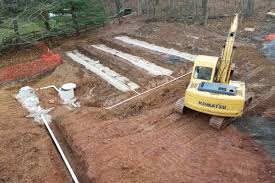
Drain Field Excavation
- Trenches or beds: Dug based on system design and soil absorption rates
- Proper slope: Typically 1 to 2 inches of drop per 10 feet for even distribution
- Backfilling carefully: Protects the drain pipes from damage and maintains function
Common Challenges in Montana
- Rocky ground: May require hammering or special equipment to dig trenches
- Clay soils: Drain poorly and may need engineered systems or sand filters
- High water tables: Can limit placement and may call for elevated mounds
- Cold winters: Require proper insulation and burial depth to prevent freezing
Tips for a Long-Lasting System
- Keep heavy vehicles off the tank and drain field area
- Do not plant trees or deep-rooted shrubs near the system
- Ensure surface water is diverted away from the system
- Have your tank pumped every 3 to 5 years
Conclusion
Septic excavation is more than just digging a hole. It requires precise planning, careful soil management, and compliance with local regulations. Working with an experienced excavation crew ensures your septic system is installed correctly the first time, preventing costly repairs and keeping your home running smoothly for decades to come.