When to Use Fabric Under Gravel on Rural Projects
Gravel is a go-to material for driveways, pads, roads, and drainage systems on rural land. But should you use fabric underneath it? Geotextile fabric, also known as landscape or road fabric, can make a big difference in how well your gravel performs over time. Here’s when it’s worth using and why it matters.
What Does Fabric Under Gravel Do?
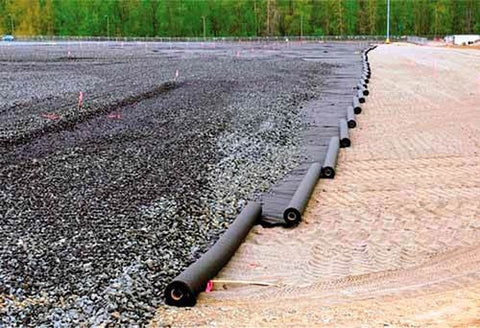
Geotextile fabric acts as a barrier between the gravel and the soil underneath. It prevents the gravel from sinking into the ground while still allowing water to pass through. This improves load distribution, reduces maintenance, and increases the life of your gravel surface.
Best Applications for Fabric Under Gravel
1. Driveways and Access Roads
Rural driveways often sit on soft or loamy soil. Without fabric, gravel mixes with the soil below and creates ruts or potholes over time. Installing a woven or non-woven fabric layer under your base gravel helps stabilize the surface and reduce maintenance. It’s especially important on long drives or private roads that see heavy equipment or truck traffic.
2. Equipment Pads or Shed Foundations
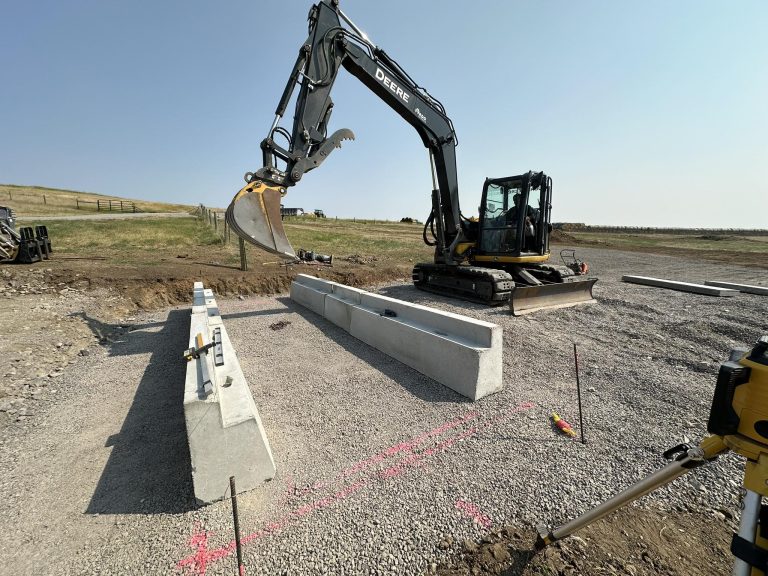
When building a gravel pad for a barn, shed, or vehicle, fabric helps maintain a level base. It also improves drainage and keeps the pad from settling unevenly, even during Montanas freeze-thaw cycles.
3. French Drains or Drainage Trenches
In drainage systems, fabric is used to wrap perforated pipe and gravel. This keeps fine particles from clogging the pipe and allows water to pass freely. Use non-woven fabric for these applications, which are designed for filtration.
4. Sloped or Wet Ground
Fabric is especially useful on hillsides or wet areas where gravel is prone to shifting or sinking. The fabric provides separation and reinforces the base layer to prevent washout and erosion.
When You Might Not Need Fabric
- Very firm native soil: On sites with hard-packed clay or gravelly soil, fabric may not be necessary.
- Temporary projects: If youre placing gravel for a short-term use, the added cost of fabric might not be justified.
- Top-dressing: Adding a thin layer of gravel over an existing stable base doesnt typically require fabric.
Types of Fabric
- Woven Fabric: Strong, durable, and good for load-bearing areas like driveways and roads.
- Non-Woven Fabric: Better for drainage and filtration, often used in French drains or under stone trenches.
Installation Tips
- Clear vegetation and level the site before laying fabric
- Overlap fabric seams by 12-18 inches to prevent gaps
- Secure fabric with staples or gravel weight to keep it from shifting during placement
Conclusion
Using fabric under gravel isn’t always necessary, but in the right conditions, it can dramatically improve performance and reduce future maintenance. On rural properties in Montana, where soft soils, seasonal moisture, and heavy use are common, geotextile fabric is often a smart investment for long-term durability.