How to Clear Trees and Brush Without Damaging the Soil
Clearing land is often the first step before excavation, fencing, or construction on rural Montana properties. But doing it the wrong way can lead to erosion, compacted soil, and long-term damage to the land. Whether you’re clearing trees for pasture, a building site, or road access, heres how to do it responsibly while protecting your topsoil.
Plan Before You Clear
Before touching a tree or firing up equipment, take time to evaluate the site. Mark which trees and brush you want to remove and which should stay. Consider slopes, water flow, and soil typethese will guide how aggressive you should be with clearing.
Choose the Right Method
- Hand Clearing: Best for small jobs or selective clearing. Chainsaws, loppers, and manual tools give you precision without disturbing the soil.
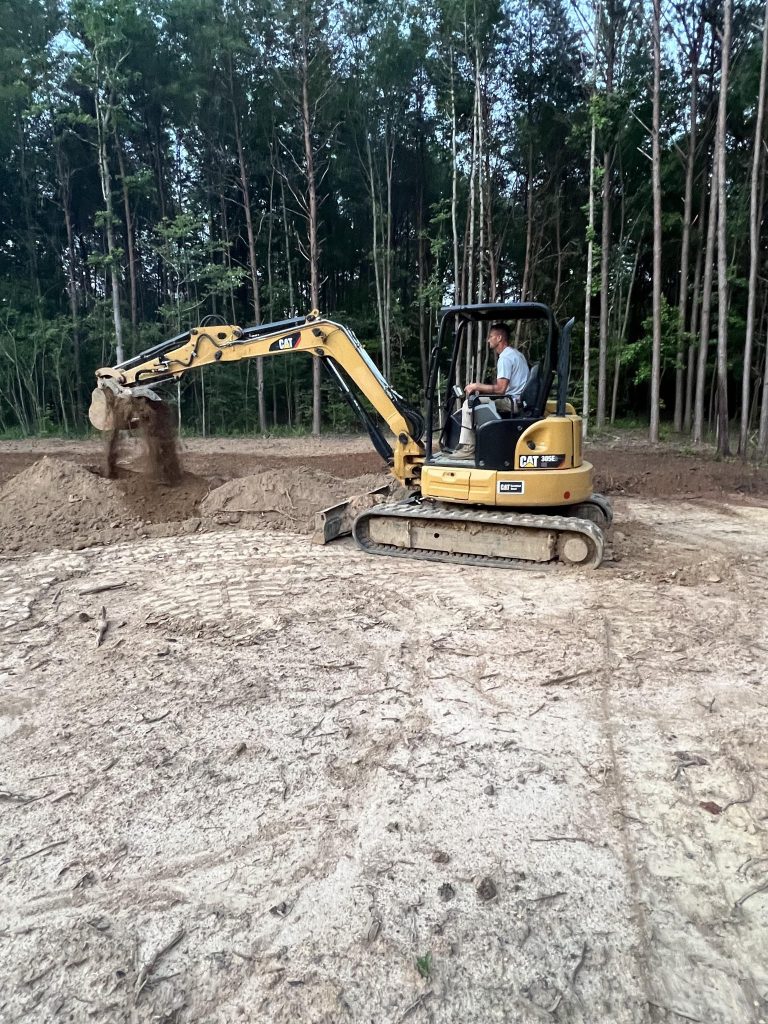
- Mechanical Clearing: Skid steers, dozers, and excavators can clear large areas quickly. Use with caution to avoid rutting or stripping topsoil.
- Forestry Mulching: A single-machine solution that grinds trees and brush into mulch without uprooting stumps or disturbing the soil underneath. Excellent for soil health and erosion control.
Minimize Soil Disturbance
The more you tear up the ground, the more likely you are to cause erosion. Avoid clearing when the soil is wet, and use low-impact equipment when possible. Leave stumps in place if youre not immediately building or grading.
Protect the Root Zone
If youre leaving trees near your cleared area, protect their root zones by avoiding driving heavy equipment close to the trunks. Compacted soil can weaken trees and make them more susceptible to disease.
Watch for Erosion Risks
Cleared land is vulnerable to wind and water erosion. Use silt fences or straw wattles on slopes, and consider spreading mulch or grass seed to stabilize the soil if you’re not building right away.
Dealing with Debris
- Burning: Allowed in many parts of Montana, but check regulations. Best for dry, open areas.
- Chipping: Turns limbs and brush into usable mulch.
- Hauling: Remove logs and brush piles with dump trailers or haul-away services.
Leave Some Cover
If you’re clearing a large area, leave patches of vegetation to provide wildlife habitat and reduce wind exposure. This can also help hold moisture in the soil during dry months.
Conclusion
Land clearing is more than just knocking down trees. Its a critical first step that affects everything from drainage to erosion to the health of your soil. With careful planning and the right methods, you can clear land effectively without leaving long-term damage behind.