How Irrigation Ditches and Culverts Work Together
In rural Montana, managing water flow is essential for protecting infrastructure and maintaining healthy land. Two of the most common features youll see on ranches, farms, and large properties are irrigation ditches and culverts. Each serves a specific purpose, but they often need to work together to move water safely and efficiently. Heres how they function and how theyre used in combination.
What Is an Irrigation Ditch?
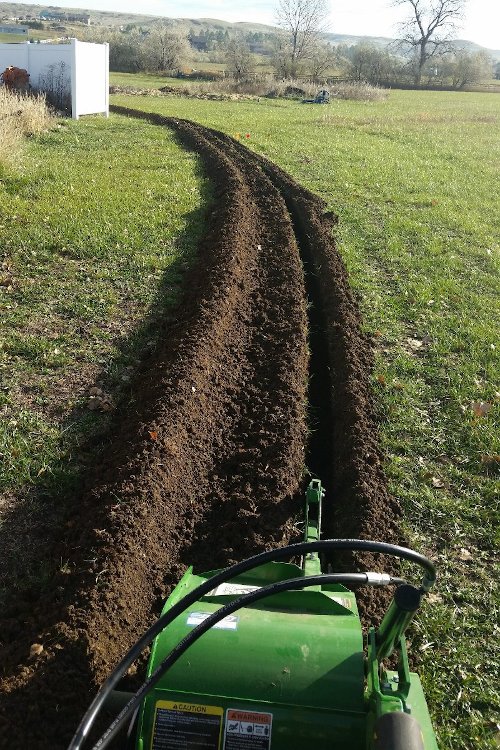
An irrigation ditch is a shallow, man-made channel designed to carry water from a natural or controlled source (like a canal, stream, or pond) to where its needed for crops, livestock, or drainage. These ditches may run along fields, property lines, or down slopes to move water across large areas.
What Is a Culvert?
A culvert is a pipe or box installed to carry water under roads, driveways, or embankments. Culverts are used to maintain the natural flow of water and prevent washouts and erosion. In rural areas, culverts are often placed where roads intersect with ditches or low spots in the terrain.
How They Work Together
Irrigation ditches and culverts often intersect. When a ditch needs to pass beneath a driveway, access road, or path, a culvert is installed at the crossing. This allows water to continue flowing through the ditch without interrupting vehicle or equipment access. Without a culvert, water would either pool or erode the crossing over time.
Example Scenario
Imagine a ranch with an irrigation ditch running along a pasture. To get equipment to the other side, the rancher needs to cross the ditch with a road. Instead of blocking the ditch or allowing water to erode the road, a culvert is installed under the access point. Water continues to flow through the ditch, and vehicles pass safely above it.
Design Considerations
- Sizing: The culvert must be sized to handle peak flow from the ditch. If its too small, water can back up and cause flooding or overflow.
- Placement: Culverts should be aligned with the ditch and installed at the same grade so water flows naturally.
- Protection: Both ends of the culvert should be stabilized with rock or concrete to prevent erosion around the pipe.
- Maintenance: Ditches and culverts should be cleared regularly of debris, sediment, or vegetation that could block flow.
Benefits of Coordinated Water Management
- Prevents erosion and washouts
- Maintains reliable access across ditches
- Improves field drainage and pasture health
- Extends the life of roads and driveways
Conclusion
Irrigation ditches and culverts are both essential tools for managing water on rural land. When installed and maintained correctly, they work together to protect roads, fields, and infrastructure from water damage. If you’re planning land improvements, dont overlook how these two features connectits a small detail that makes a big difference in how your land performs long term.