Common Excavation Mistakes on Ranchland Projects
Excavation is a critical part of many ranchland projects, whether youre building a home, barn, driveway, or installing utilities. But rural work comes with its own set of challenges. Understanding the most common excavation mistakes can help you avoid costly delays and set your project up for long-term success.
Skipping the Site Assessment
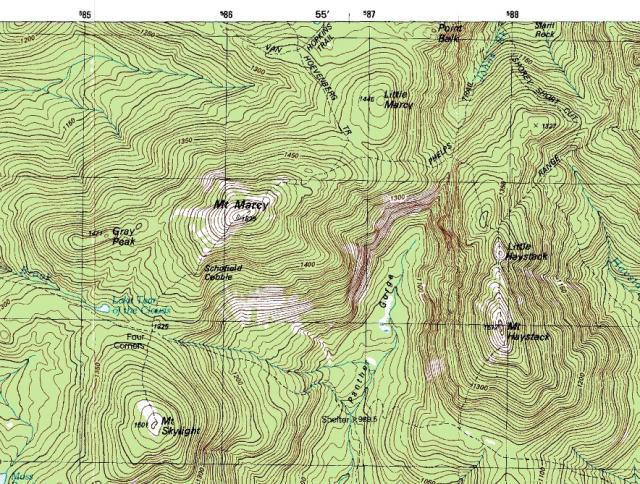
One of the biggest mistakes is failing to properly assess the land before digging. Ranchland can vary widelysteep slopes, rocky outcrops, seasonal flooding, and hardpan soils can all complicate excavation.
Improper Drainage Planning
Montana weather can be unpredictable, and drainage mistakes are a common problem. Good drainage planning starts with grading. Sloping land away from structures and adding culverts and ditches where needed prevents water damage and erosion.
Overexcavating or Underexcavating
Digging too much or too little can create serious issues. Overexcavating wastes time and money and may require expensive backfill. Underexcavating can lead to uneven structures, settling, or the need to redo work later.
Using the Wrong Equipment
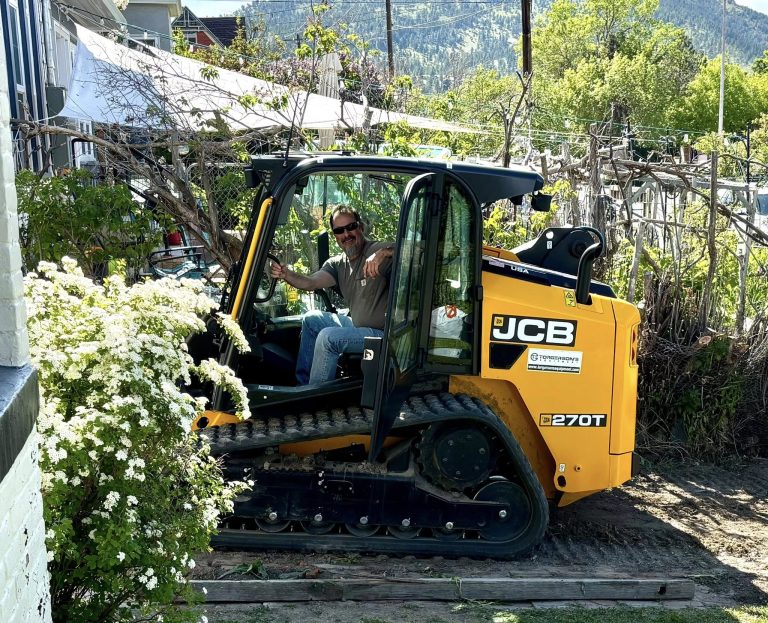
Some rural projects involve tight spaces, steep access, or soft ground. Using the wrong size or type of equipment can damage the site or slow down the project.
Failing to Check for Utilities
Always call 811 before any excavation begins, even in remote areas. Old fence lines, past homesites, or utility easements can hide underground lines. Hitting a buried power or water line is dangerous and expensive.
Conclusion
Ranchland excavation requires more than just big equipment. It takes planning, local knowledge, and attention to detail. By avoiding these common mistakes, youll protect your investment and ensure the land is ready for whatever you build next.