How to Use Excavated Rock and Soil on Your Property
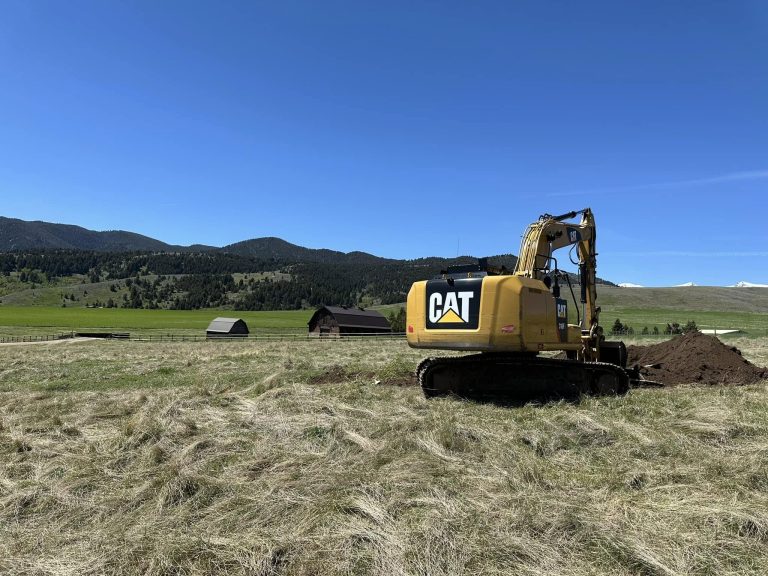
When you dig for a foundation, road, or pond, you end up with piles of soil and rock. Instead of hauling it all away, you may be able to reuse this material right on your land. In Montana, where trucking and disposal costs can add up quickly, repurposing excavated materials is often the smartest move. Here’s how to make the most of what you dig up.
1. Use Rock for Drainage or Road Base
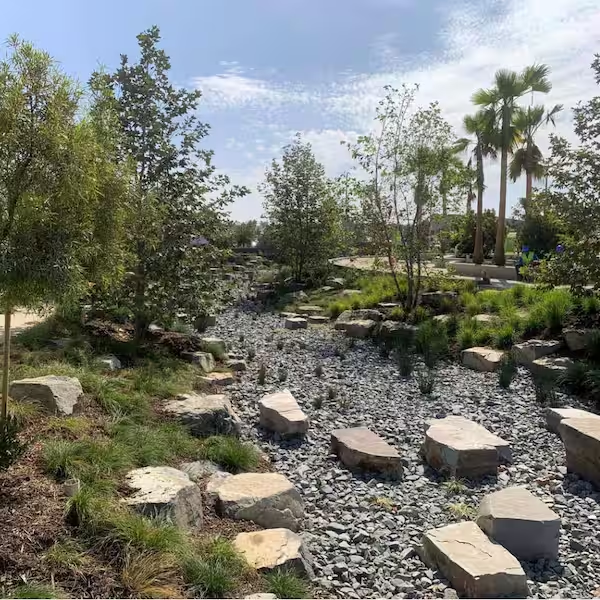
Larger rocks and crushed material from excavation can be perfect for:
- Filling in soft spots or mud holes on driveways
- Creating a base layer for new gravel roads or pads
- Building drainage trenches or French drains
- Lining ditches or swales to slow erosion
If the material is too large to be useful, consider hiring a mobile crusher to break it down on-site.
2. Save Topsoil for Landscaping or Gardens
Topsoil is the dark, fertile layer that sits at the surface before excavation begins. Its valuable for growing grass, trees, and gardens. Stockpile it separately and keep it covered to prevent erosion. Later, you can use it to:
- Backfill around structures
- Spread over lawns or fields
- Build garden beds or berms
3. Use Fill Dirt for Grading and Backfill
Fill dirt is the lower layer of soil, typically more compact and less organic. While its not ideal for planting, its excellent for shaping the land or filling in low spots. You can use it to:
- Level uneven areas
- Backfill behind retaining walls
- Create berms or mounds for windbreaks or visual barriers
4. Create Earth Berms or Noise Buffers
If you have excess dirt or rock, build up a berm along your road, property line, or structure. Berms can:
- Block wind and snow drift
- Reduce road noise
- Improve privacy
- Be landscaped later with grass or shrubs
5. Watch for Unsuitable Material
Not all excavated material is reusable. Watch out for:
- Organic material like roots or stumps, which can rot and settle
- Clay-heavy soils that retain water and may not compact well
- Contaminated soils if digging near old structures or tanks
Tips for Storing Excavated Material
- Store topsoil and subsoil separately
- Shape piles to shed water and reduce erosion
- Cover with tarps or seed with fast-growing grass if left long-term
Conclusion
Excavated rock and soil can be a resource, not just waste. With a little planning, you can save money, improve your property, and reduce your environmental impact by reusing what you dig. Talk with your excavation contractor about what can be repurposed and how to store it safely for future use.