What to Do with Stumps After Tree Removal
After removing trees from your rural property, you’re often left with stumps that can be both an eyesore and an obstacle. Whether you’re clearing land for building, pasture, or access, knowing how to deal with stumps is key to finishing the job right. Here are your best options, along with pros and cons for each.
Option 1: Stump Grinding
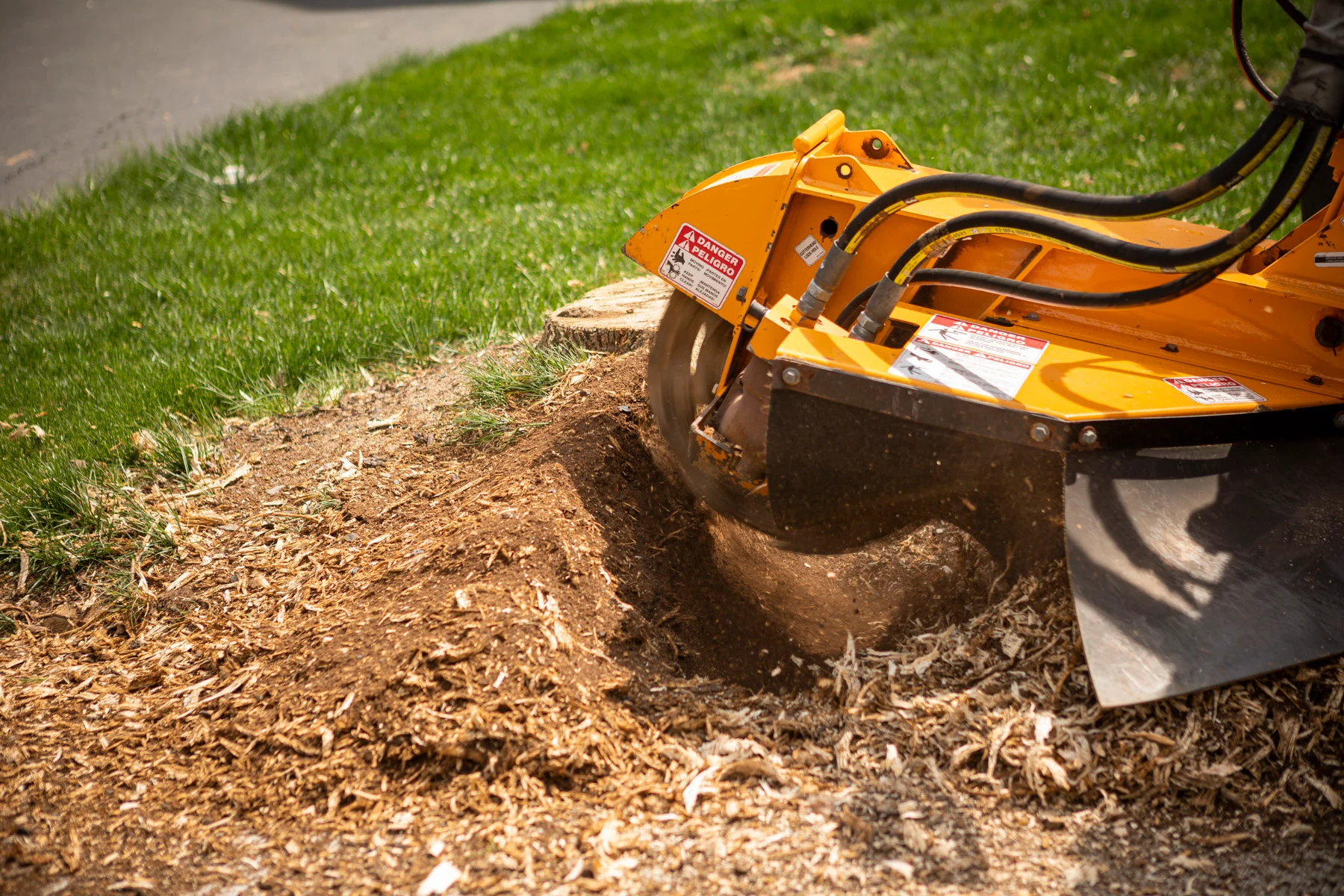
Stump grinding is one of the most popular ways to eliminate stumps without digging. A grinder reduces the stump to wood chips a few inches below the surface.
- Pros: Fast, minimally invasive, affordable for multiple stumps
- Cons: Roots are left underground and may take years to decompose
- Best For: Lawns, building sites, and areas that need a level surface
Option 2: Full Stump Removal
This method uses an excavator or backhoe to pull out the entire stump, roots and all. Its more aggressive but leaves you with a clean slate.
- Pros: Removes all roots, better for foundation prep and new plantings
- Cons: Labor-intensive, can leave a large hole, may disturb nearby soil
- Best For: Construction areas or when installing new utilities
Option 3: Natural Decay
If you’re not in a hurry, you can let stumps break down over time. This is the most eco-friendly but slowest method.
- Pros: No cost, minimal effort, soil remains undisturbed
- Cons: Takes years, may attract pests or fungi
- Best For: Remote areas or wildlife zones where appearance doesn’t matter
Option 4: Burning
Burning is legal in many parts of Montana but comes with safety and permitting requirements. A controlled burn can reduce the stump to ash over time.
- Pros: Low cost, effective for dry stumps
- Cons: Time-consuming, not ideal near buildings or during fire season
- Best For: Isolated properties with safe burn conditions
Option 5: Burying the Stump
Some landowners choose to bury stumps in place or relocate them to a fill a