
How to Build a Gravel Pad for a Shed or Barn
If you’re placing a shed, barn, or other outbuilding on your rural Montana property, a gravel pad is one of the simplest and most cost-effective foundations you can use. A well-built pad keeps your structure level, provides drainage, and prevents settling over time. Here’s how to do it right from start to finish.
Why Use a Gravel Pad?
Gravel pads offer several benefits for sheds and barns:
- Provide a stable, level base
- Improve drainage and reduce moisture under the building
- Prevent frost heave in cold climates
- Can be installed quickly and affordably
Step 1: Choose the Right Location
Select a spot that is relatively flat, not prone to flooding, and easily accessible. If placing a barn or animal shelter, make sure water will run away from the structurenot toward it.
Step 2: Mark and Measure
Measure the footprint of your structure and add 2-3 feet to each side for extra working space and water runoff. Use stakes and string to outline the pad area.
Step 3: Excavate and Level the Site
Remove sod and topsoil down to firm ground, typically 4-8 inches deep. In rocky areas, you may need to break up or remove larger stones. Use a transit or level to make sure the base is flat. Slightly slope the surface outward to encourage drainage.
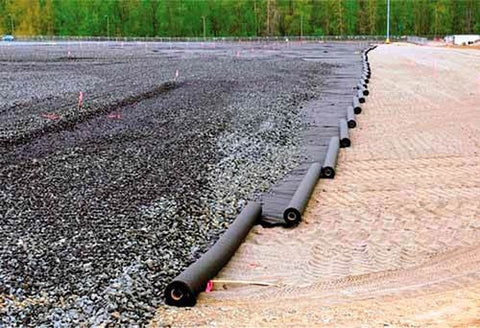
Step 4: Add a Geotextile Fabric (Optional)
Installing a layer of landscape or geotextile fabric can help prevent mixing of soil and gravel, improving long-term performance. This is especially useful in soft or wet ground conditions.
Step 5: Add and Compact the Gravel
- Start with a base layer of 4-6 inches of coarse crushed stone (1½ inch or similar).
- Top with 2-4 inches of ¾ inch minus gravel with fines for better compaction.
- Compact each layer with a plate compactor or roller. Don’t skip this step, it’s critical for stability.
Step 6: Build a Perimeter (Optional)
If desired, add a pressure-treated timber or concrete block border around the pad to help retain the gravel and define the edge. This is especially helpful for larger buildings or uneven terrain.
Step 7: Final Grading
Use a rake to smooth the top layer. Ensure it is level and extends slightly beyond the edges of your shed or barn for proper drainage. Your finished pad should sit slightly higher than the surrounding ground.
Maintenance Tips
- Re-rake and add gravel every few years to maintain level surface
- Clear weeds or grass that grow through the gravel
- Inspect for erosion or pooling after heavy rain
Conclusion
A solid gravel pad provides a strong foundation for your shed or barn without the complexity or cost of concrete. With good prep and materials, your building will stay level, dry, and functional for years to come, even through Montana’s toughest seasons.