Why Access Roads Are a First Priority for Rural Projects
When planning a rural construction project in Montana, it might be tempting to focus on the building itself first. But in reality, access roads should be the first priority. A well-built access road ensures safe entry for crews, equipment, and materials. It also lays the groundwork for a smooth and successful build from start to finish.
Why Access Comes First
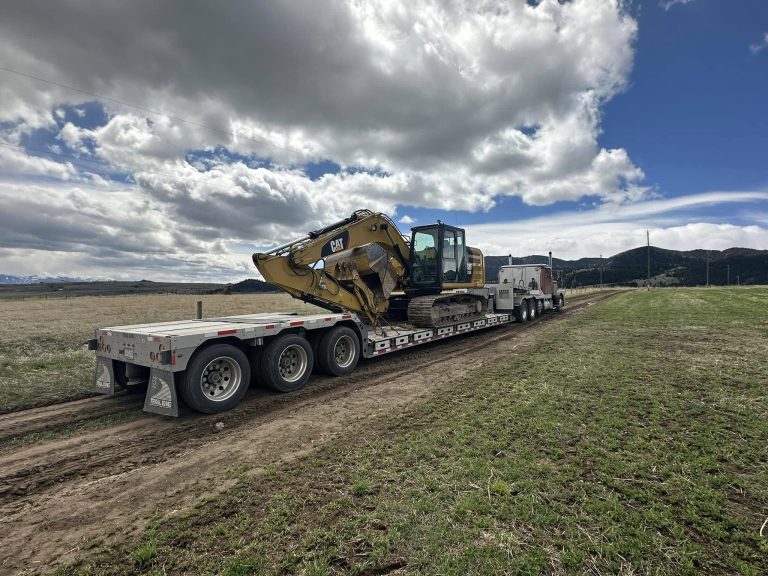
Most rural properties in Montana dont have ready-to-use driveways or service roads. Without a stable access point, your project can face immediate challenges:
- Delivery trucks may get stuck or turn back
- Excavation equipment may have trouble reaching the site
- Wet weather can delay progress for days or weeks
By creating a proper road early, you create a foundation for everything that follows.
Planning the Route
Start by walking the land with your contractor. Identify the best route from the main road or gate to the build site. Consider:
- Elevation changes: Avoid steep slopes that may require grading or switchbacks
- Drainage paths: Do not block natural runoff or low areas without culverts
- Soil types: Clay-heavy or soft areas may need reinforcement or more gravel
Building a Simple Access Road
Most rural access roads include:
- Excavation of the topsoil: Remove soft organic material down to subgrade
- Geotextile fabric: Keeps the gravel from mixing with the soil beneath
- Base layer of crushed gravel: Typically 4 to 12 inches deep, compacted in layers
- Ditches or culverts: Manage runoff and prevent washouts
Driveway vs Access Road
Its common to build a rough access road first and upgrade it later into a finished driveway. That means it doesnt have to be pretty, but it does have to be strong and passable in all seasons. A good excavation contractor will help you build something that meets your immediate needs and can be improved later.
Montana Terrain Challenges
- Snowmelt and spring runoff can flood low areaselevate roads where needed
- High clay content in soil can cause ruts or bogginguse the right base material
- Remote areas may need turnaround zones for trucks and equipment
Conclusion
Access roads arent just a conveniencetheyre essential for getting your project started and keeping it on track. Building a reliable access route early ensures safer, faster, and more efficient progress no matter the season. Work with a local contractor who knows the terrain and can help you build something solid from day one.