Preparing for Excavation in Wet or Marshy Ground
Excavating in wet or marshy conditions presents unique challenges that require careful planning. Soft, saturated soil can lead to stuck equipment, unstable foundations, and long-term drainage problems. If your property in Montana includes low spots, creek beds, or spring-fed ground, heres how to prepare for a successful excavation project.
Step 1: Assess the Water Source
Before any digging begins, identify where the moisture is coming from:
- Is it surface runoff?
- Does groundwater seep up consistently?
- Is there a seasonal pattern (like spring melt)?
Understanding the water source will guide your approach and help avoid surprises during excavation.
Step 2: Plan for Drainage First
In wet areas, you often need to remove water or redirect it before you can excavate. Common drainage solutions include:
- Pumping: If the water table is high, pump water from the work zone into a nearby ditch or holding area
- Surface ditches: Cut shallow channels to guide water away from the dig site
- Drain tile or perforated pipe: Useful for long-term subsurface drainage around foundations or roads
Step 3: Choose the Right Equipment
Standard machinery can get bogged down in marshy soil. Consider:
- Wide-track excavators or skid steers: Distribute weight more effectively
- Mats or timber pads: Create stable work platforms over soft spots
- Smaller machines: In tight areas, compact equipment may be less likely to sink
Step 4: Stabilize the Base
Once water is managed, the ground still needs to support structures or roads. To firm up wet soil, you might:
- Remove soft top layers and replace with compacted fill or gravel
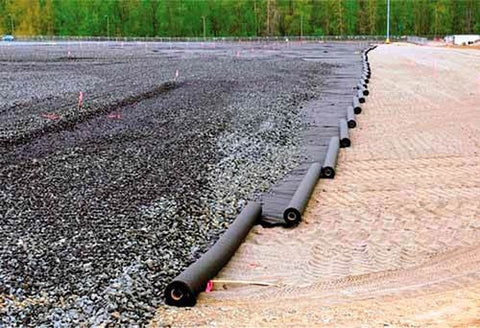
- Use geotextile fabric to separate fill from native muck
- Mix in lime or cement for chemical stabilization on larger pads