
What to Expect During a Rural Excavation Project
Rural excavation is often the first major step in preparing land for construction, utilities, roads, or other improvements. If you’re planning a project on a large or undeveloped property, understanding what to expect can help you budget properly, stay on schedule, and avoid costly surprises.
Site Assessment and Planning
Before any equipment moves onto the property, a thorough site assessment is necessary. This includes evaluating the terrain, soil type, vegetation, and any potential drainage or erosion concerns. In Montana, this also means checking for rocky ground, steep grades, and seasonal water flow issues that can affect how excavation is done.
A good excavation contractor will walk the land with you, review any building plans, and help identify challenges early. They may also recommend adjustments to improve access or drainage.
Permitting and Utility Marking
Most excavation work in Montana requires some level of permitting, especially if the work affects water flow, septic systems, or involves road construction. Your contractor should know what’s needed in your county and help guide the process.
It’s also essential to call 811 before any digging begins. This marks existing underground utilities and prevents accidents or damage. On rural land, you may be installing utilities from scratch, but nearby lines can still exist depending on your location.
Clearing and Access Prep
The first on-site work often involves clearing brush, trees, and large rocks. Access roads may need to be cut in to get heavy equipment where it needs to go. If weather is wet or the ground is soft, this phase may be delayed or require additional work to stabilize access.
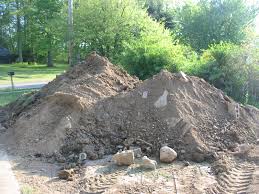
Removing topsoil is another important part of this phase. Topsoil is typically scraped and stockpiled so it can be reused for finish grading or landscaping later.
Digging and Grading
The core of the excavation project is digging and grading. This could include building driveways, leveling pads for homes or barns, digging trenches for utilities, or shaping the land for drainage. On larger rural projects, this stage can take several days or even weeks, depending on the scope and terrain.
Precision matters. Excavators use laser levels and GPS equipment to make sure grades are accurate and foundations are stable.
Drainage and Erosion Control
One of the most important parts of any rural excavation project is managing water. Proper grading ensures that rain and snowmelt drain away from structures. In some cases, culverts, swales, or ditches may be installed.
Erosion control measures such as silt fences, straw blankets, or retaining berms may also be added to prevent runoff from damaging the work or nearby land.
Cleanup and Final Inspection
After the major work is done, your contractor will clean up the site, remove debris, and prepare the ground for the next phasewhether thats construction, utility installation, or landscaping. A final walkthrough ensures everything matches the original plan and meets code.
A rural excavation project is a big investment, but with careful planning and the right team, it sets the stage for long-term success on your land.