How to Prep Your Land for a Shipping Container Home
Shipping container homes are growing in popularity across Montana thanks to their affordability, durability, and minimal footprint. But before the container is delivered, your land needs to be properly prepared. From access roads to drainage, heres how to get your site ready the right way.
Step 1: Choose the Right Spot
Pick a location that is level or close to it, with enough space for delivery equipment and any future expansions. Avoid low-lying areas prone to flooding or erosion. If youre off-grid, consider sun exposure and wind protection too.
Step 2: Clear the Land
Remove trees, brush, and debris in the build zone and any access paths. You may not need to remove stumps if the structure will sit on piers or a gravel pad, but they should be cut low and treated if left in place.
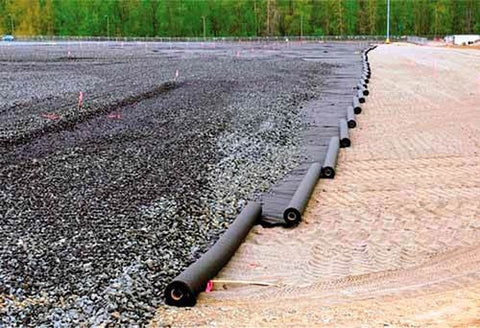
Step 3: Level and Compact the Site
Depending on your chosen foundation, the ground may need to be leveled and compacted. For gravel pads or concrete slabs, this step is critical to avoid future settling or shifting.
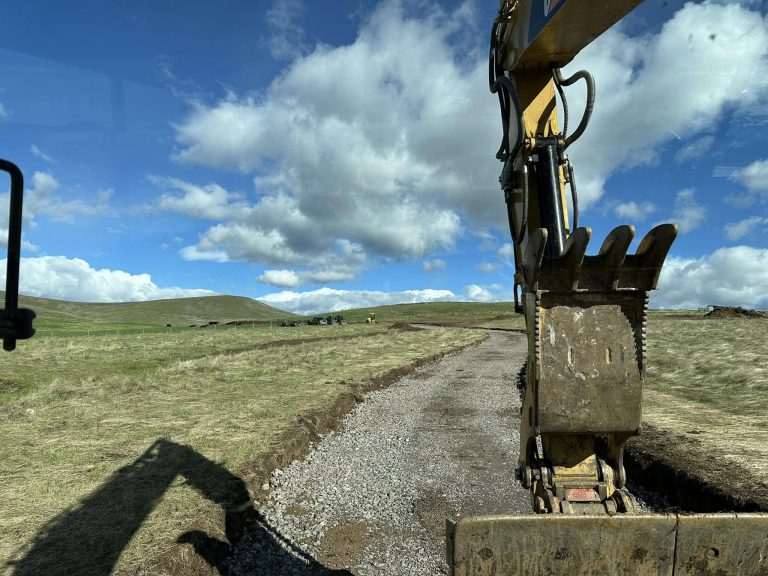
Step 4: Plan Access for Delivery
- Make sure a truck and trailer can reach the site without tight turns or steep grades
- Trim trees and widen driveways as needed
- Prepare a turnaround space if backing up isnt feasible
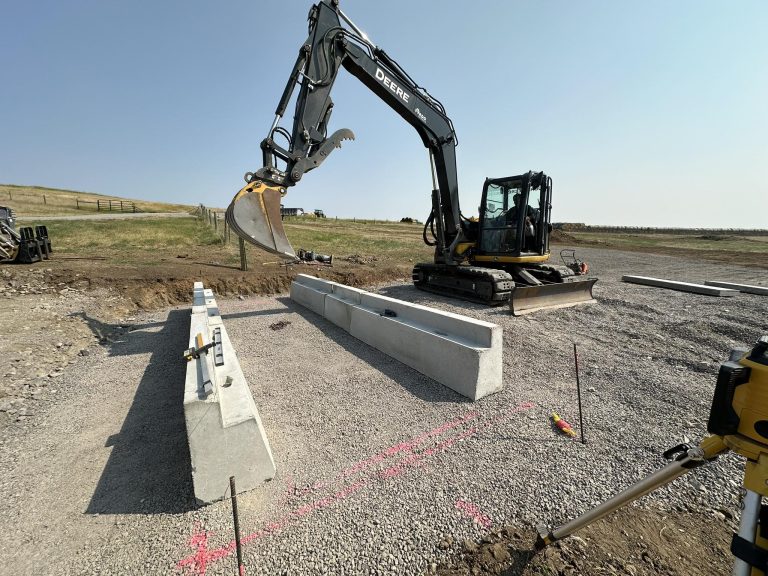
Step 5: Install a Foundation
Container homes dont need a full basement or crawlspace, but they do need a stable base. Options include:
- Concrete Piers: Simple, affordable, and common for rural builds
- Gravel Pads: Best for short-term use or where movement isnt critical
- Slabs: Provide a permanent, insulated base for year-round homes
Step 6: Plan Utilities (If Needed)
Even off-grid homes may need utility access points. Plan ahead for:
- Water lines or wells
- Septic or composting toilet systems
- Electric hookups or solar arrays
- Internet or communications access
Step 7: Prepare for Drainage
Grade the area to ensure water flows away from the container. Consider French drains or swales on sloped land. Place gravel around the perimeter to reduce mud and puddling.
Montana-Specific Considerations
- Frost depth: Make sure foundations are deep enough to handle freeze-thaw cycles
- Wind exposure: Anchor containers securely on open plains
- Snow load: Plan for roof reinforcement if stacking units or building add-ons
Conclusion
Prepping your land properly is the foundation for a successful shipping container build. A few days of excavation and planning can prevent years of headaches. Whether youre going off-grid or installing utilities, taking these steps now ensures your home arrives to a site thats truly ready.