What Goes Into Building a Solid Foundation on Rural Property
A solid foundation is essential for any structure, but rural property presents unique challenges. From variable soil conditions to water drainage and remote access, building a foundation in Montana requires careful planning and the right approach for your land.
Start With a Soil Evaluation
Get a soil test. Sandy, clay, or rocky soil behaves differently and affects what foundation will hold best. You may need to compact or stabilize the soil.
Choose the Right Foundation Type
- Slab-on-grade: Flat and simple for level land
- Pier and beam: Ideal for slopes or poor soil
- Full basement: More costly but adds space
Excavate and Prepare the Site
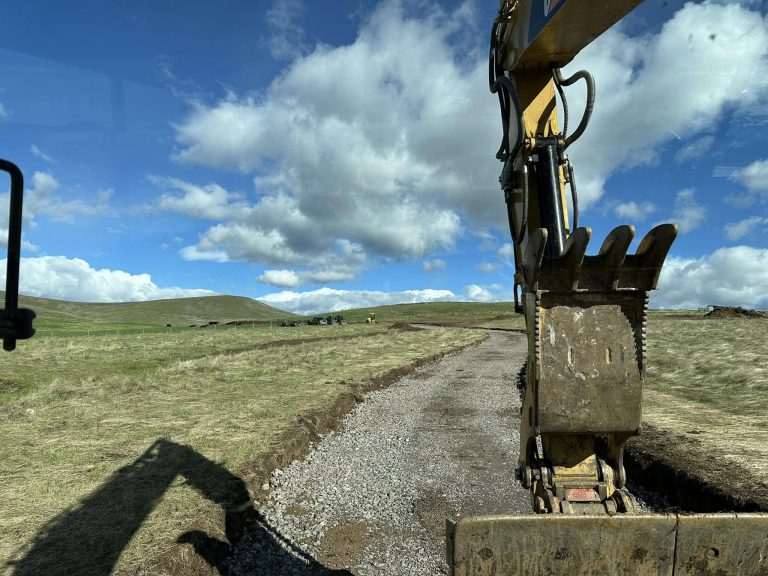
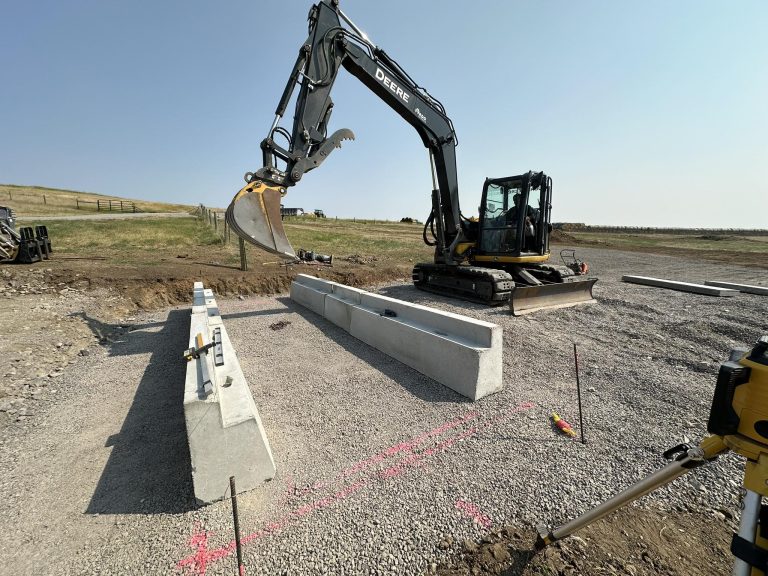
Clear and dig to proper depth. Grade the site to move water away. Compact the base for stability and longevity.
Install Drainage and a Solid Base
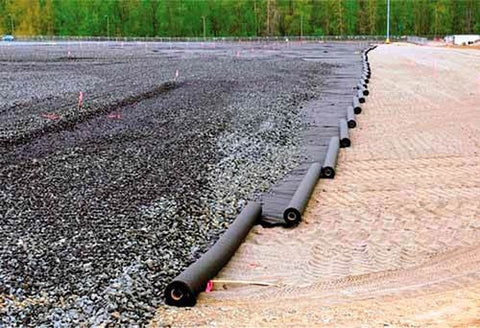
Use gravel, perforated drains, and a solid base layer. Water should never pool near your structure. Add waterproof membranes or sump systems as needed.
Reinforce and Pour
Use rebar and mesh to prevent cracking. Pour concrete in suitable temperatures. In Montana, protect your foundation from frost and consider perimeter insulation.
Backfill and Final Grade
Backfill with gravel or compacted soil. Slope final grade away from the building. This step protects your foundation from future water damage.
Conclusion
Foundations in rural areas need more than just concrete. They need to be matched to the soil and climate. With a smart plan and experienced contractor, your building will have a solid base that lasts for decades.