Excavating for a New Barn or Pole Building: What to Expect
Building a barn or pole structure on your property is an exciting step toward adding usable space. Whether its for livestock, equipment storage, or a workshop, the process starts with excavation. Heres what you can expect when preparing the ground for a new barn or pole building in Montana.
Step 1: Site Selection and Access
Choose a spot with good drainage and solid ground. The area should be easily accessible by equipment and delivery trucks. Consider sun exposure, prevailing wind, and how the barn fits into your overall land layout.
Step 2: Marking the Building Pad
After the final building location is confirmed, the excavation team will mark the perimeter of the structure. This outline ensures that grading and digging are done with precision to match the size of your pole barn or barn footprint.
Step 3: Clearing and Rough Grading
All vegetation, roots, and debris must be cleared. Then, the site is roughly leveled using excavators or skid steers. If the land has slope, the high side is cut down or the low side is built up with compacted fill to achieve a flat pad.
Step 4: Subgrade Preparation
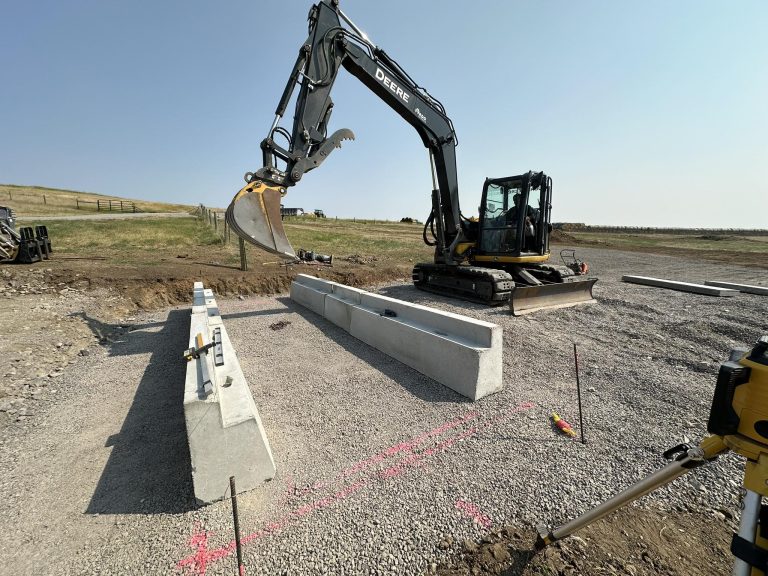
The subgrade is the layer beneath the gravel or slab. It must be compacted to support the structure and prevent settling. Depending on soil type, contractors may use a roller or jumping jack compactor for this step.
Step 5: Gravel Pad or Footings
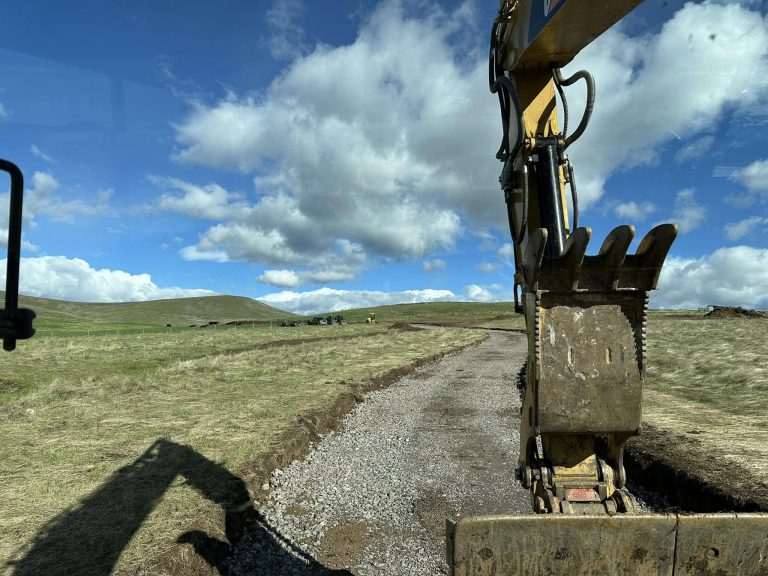
- Gravel Pad: Common for pole buildings and barns without full concrete slabs. Provides drainage and prevents mud around posts or skirting.
- Concrete Footings or Slab: If your barn will have a slab floor, the area is further prepped for forming, pouring, and leveling concrete.
Step 6: Managing Drainage
Drainage is critical. The site is often graded to shed water away from the barn. In some cases, French drains or surface ditches are installed to handle runoff, especially on slopes or in clay-heavy soils.
Step 7: Delivery Coordination
After excavation and pad preparation, coordinate timing with your barn or pole building provider. Make sure the pad is ready and accessible for delivery of trusses, posts, or prebuilt walls.
Montana Considerations
- Allow for frost protection with footings or piers that meet local building codes
- Snow load and wind exposure may affect how your site is prepared and where anchors are placed
- Cold weather can delay concrete work, so plan excavation accordingly
Conclusion
Excavating for a barn or pole building is more than just leveling dirt. A good excavation contractor will ensure your building site is solid, well-drained, and ready for construction. With the right prep, your structure will stand strong for decades to come.