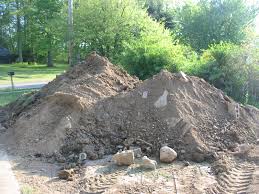
What Happens to the Dirt After Excavation?
When you dig out a foundation, trench, or building pad, you’re going to end up with a lot of extra soil. But what happens to that dirt after the excavation is finished? Managing excavated material is an important part of any project, and your approach can affect everything from cost to environmental impact. Here’s how it’s typically handled on Montana job sites.
Types of Excavated Material
Not all dirt is created equal. During excavation, you may encounter:
- Topsoil: The upper layer of rich, organic soil that’s ideal for planting
- Subsoil: Clay, silt, or rocky material that lies beneath the topsoil
- Fill Dirt: Low-organic material used to build up grade or fill voids
- Rock: Larger fragments that may need special equipment to remove or break down
Options for Handling Excavated Soil
Depending on your project and site, you may choose one or more of the following strategies:
1. Reuse On-Site
- Topsoil is often stockpiled and reused for final grading or landscaping
- Fill dirt may be used to backfill around foundations, level low spots, or build berms
- Rock can be repurposed for driveways, riprap, or erosion control
2. Haul Away
- When there’s excess material, it can be loaded into dump trucks and hauled to a designated fill site or disposal facility
- This is more expensive but necessary on small lots or heavily graded sites
3. Spread and Blend
- In rural areas with space, subsoil can be feathered into adjacent fields or slopes
- Care is taken to avoid spreading poor-quality fill in areas meant for planting or building
What Contractors Consider
Before deciding how to handle the dirt, your excavation crew will assess:
- Volume of soil generated
- Space available for storage or spreading
- Soil composition and moisture content
- Plans for regrading or landscaping
They’ll also coordinate with you to decide whether you want materials left behind or removed entirely.
Montana Considerations
- In areas with steep slopes, spreading excess fill may require erosion control
- Some counties restrict dumping dirt into wetlands or flood zones
- Snow and mud season can delay hauling or spreading, so timing matters
Conclusion
Excavation isn’t just about digging a holeits also about managing what comes out. Whether you reuse soil on-site, haul it away, or spread it to blend with the land, a good plan for excavated material helps keep your project clean, efficient, and in compliance with local guidelines.